

Why Narcissistic Abuse Makes You Lose Yourself

By Brenda Stephens, Licensed Professional Clinical Counselor
Why healing feels so layered, and how you begin taking your power back
Narcissistic abuse does not just break your heart. It can break your trust in your own reality. It can leave you confused, ashamed, hypervigilant, and wondering how you lost so much of yourself while trying so hard to love someone.
One way to understand this kind of abuse is through two ideas from psychology: the shadow and the false self. You do not need a psychology degree for this. You just need language for what happened.
If you have survived narcissistic abuse, you may have asked yourself questions like these:
Why did they seem like two different people? Why did I stop trusting myself? Why did I ignore what I knew? Why does healing feel like grief, shock, and rebuilding all at once?
These questions matter because narcissistic abuse does more than hurt your feelings or break your heart. It can scramble your sense of self. It can make you doubt your memory, your instincts, your judgment, and even your identity.
What is the shadow?
The shadow is the part of you that holds what has been pushed away, hidden, shamed, or denied.
Most people hear the word “shadow” and think it only means dark or ugly traits. But that is not the whole picture. The shadow can also hold the strong, healthy parts of you that were never safe to express.
For survivors of narcissistic abuse, that often includes anger, boundaries, self-trust, confidence, assertiveness, and the ability to say no without guilt.
That is one of the most damaging parts of abuse. It not only wounds you but also trains you to disconnect from your own power.
Over time, you may learn that being easygoing is safer than being honest, that staying quiet is safer than speaking up, and that abandoning yourself is safer than risking conflict. Those adaptations may have helped you survive, but they can leave you feeling like you disappeared.
What is the false self?
A narcissisticperson often builds an image that protects them from shame and vulnerability. This image is sometimes called the false self.
It is the version of them (the narcissistic person) that must always look right, special, admirable, innocent, misunderstood, superior, or unfairly treated. It is carefully managed and fiercely protected.
Underneath that image is often a very fragile core. Instead of facing painful feelings like shame, insecurity, or inadequacy, they defend against them. They may lie, manipulate, blame, punish, gaslight, or play the victim to avoid ever feeling exposed.
So while you may be trying to work things out honestly, they may be working very hard to protect an image.
That is why the relationship can feel so maddening. You are trying to deal with reality. They are trying to control the story.
Why did they seem like two different people?
Because in many cases, that is exactly how the experience feels.
At times, they may seem charming, attentive, vulnerable, loving, and deeply connected. Then suddenly they become cold, punishing, dishonest, contemptuous, or cruel. You end up wondering which version is real.
This confusion keeps many survivors stuck for far too long. They keep waiting for the loving version to come back. They try harder, explain more clearly, become more patient, and give more chances. They believe the cruelty is temporary and the warmth is the truth.
But often the warmth was part of the hook, and the cruelty was part of the pattern.
That does not mean every narcissistic person looks dramatic or explosive all the time. Some are polished, subtle, and highly believable. Some are masters of appearing calm while quietly dismantling your confidence. Some can wound you and then act puzzled by your reaction, as if you are the unstable one for noticing.
That is not confusion on their part; it’s part of the distortion.
Why do they rewrite reality?
Because reality threatens the image they need to protect.
If they faced the truth, they might have to admit that they were wrong, harmful, selfish, dishonest, or abusive. For a healthy person, those truths are painful but manageable. For a narcissistic person, those truths may feel intolerable.
So they bend reality instead.
They deny what happened. They minimize what happened. They change the subject. They twist your motives. They focus on your reaction rather than on their behavior. They make you defend yourself while they quietly step out of accountability.
Over time, this can wear down your trust in your own mind. You may start replaying conversations, checking your memory, asking other people what they think, and wondering whether you are being too sensitive, too emotional, too difficult, or just plain wrong.
That is one reason narcissistic abuse is so destabilizing. It is not just conflict. It is a steady attack on your ability to know what is real.
What happens to the survivor?
Many survivors come out of these relationships feeling emotionally exhausted, mentally foggy, and deeply disconnected from themselves.
You may find yourself apologizing for things that are not your fault. You may feel responsible for other people’s emotions. You may overexplain, overanalyze, and overaccommodate. You may feel anxious in calm moments and panicked in uncertain ones. You may become hyperaware of tone, facial expressions, and subtle shifts in mood because your nervous system has learned that small changes can signal danger.
You may also feel ashamed of how much the relationship affected you, especially if you are smart, capable, empathic, or professionally successful. But intelligence does not protect people from manipulation. In fact, thoughtful people often get pulled in deeper because they keep searching for a reasonable explanation.
Narcissistic abuse often creates what feels like a collapse in self-trust. You do not know what you feel, what you think, what you want, or what to believe anymore. That does not mean you are broken; it means your reality was repeatedly interfered with.
Why is it so hard to leave?
Because most survivors are not just attached to the person. They are attached to the cycle.
Narcissistic relationships often run on a repeating pattern of idealization, devaluation, rupture, and repair. At first, there may be intense connection, attention, chemistry, validation, or hope. Then comes criticism, confusion, neglect, blame, or cruelty. Then there may be distance, punishment, or discard. After that comes the pull back in, often through affection, charm, apology, need, or just enough warmth to make you question everything.
That cycle can create a trauma bond. The bond is powerful because the same person who hurts you also becomes the one who relieves the pain they caused.
That is not love in any healthy sense. It is a conditioning loop. And it can feel a lot like withdrawal when you try to break it.
Why do survivors often feel like the abuser had all the power?
Because abuse trains you to hand over parts of yourself.
Your confidence, your clarity, your anger, your voice, your instincts, and your authority can slowly get pushed aside. Meanwhile, the other person starts to seem larger than life. They feel impossible to challenge, impossible to leave, impossible to expose, and impossible to stop.
This is one of the deepest injuries in narcissistic abuse. You do not just lose the relationship. You can lose access to yourself.
Healing involves taking that back, not by becoming harsh, bitter, or uncaring, but by becoming real again.
Healing means grieving more than the relationship
Caution: this is where recovery gets especially painful.
You are not only grieving a person. You may be grieving the version of them you hoped was real. You may be grieving the time you lost, the damage done to your self-worth, the parts of yourself that went offline in survival mode, and the fantasy that love, loyalty, patience, or clearer communication could have changed the outcome.
You may also be grieving your own worldview.
Many survivors have to let go of the belief that if they are kind enough, clear enough, loving enough, or self-aware enough, things will eventually become healthy. Narcissistic abuse forces a much harsher lesson. Some people do not want mutuality; they just want control. Some people do not misunderstand your pain; they dismiss it because it inconveniences them.
That is a brutal truth. But it is also a freeing one.
Part of healing is letting certain illusions die
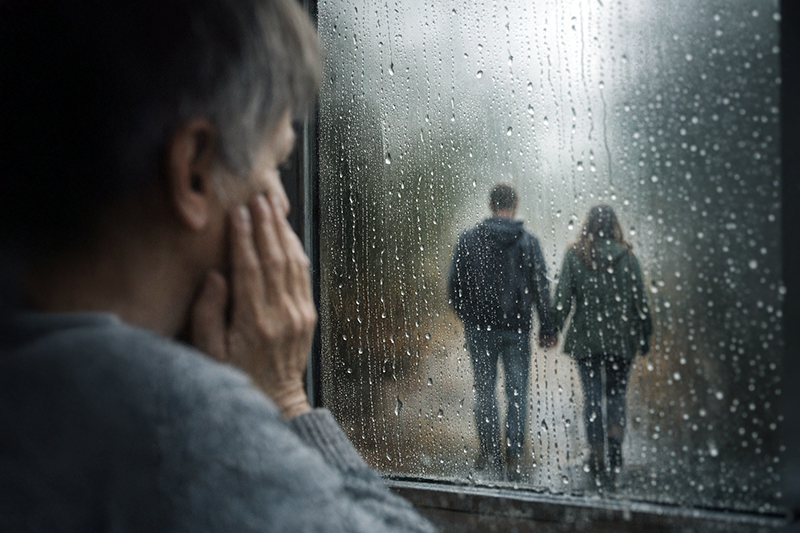
There is a kind of death involved in recovery, though not the dramatic movie kind where everyone looks devastatingly photogenic in the rain.
It is the death of the idealized version of yourself, the one who thought being endlessly patient and endlessly understanding would keep you safe. It is the death of the idealized version of the abuser, the fantasy that somewhere underneath all the cruelty was a loving person who would finally choose honesty and accountability. And it is the death of the worldview that told you good intentions are always enough. These losses hurt, but they also create room for truth.
Healing asks you to become whole, not perfect. That means making room for anger, discernment, grief, self-protection, and boundaries. It means realizing that being a good person does not require being easy to manipulate.
What does recovery actually look like?
Recovery often begins when you stop trying to make the abuse make sense and start paying attention to its impact on you.
It looks like learning to trust your body again when it says something feels off. It looks like noticing when you are explaining yourself to people who are committed to misunderstanding you. It looks like grieving without romanticizing. It looks like setting a boundary without writing a five-page essay to justify it (IYKYK). It looks like recognizing that your empathy is a beautiful quality, but without boundaries, it can become a landing strip for nonsense.
It also means facing the parts of yourself that got buried. The people-pleasing part. The ashamed part. The part that still misses them. The part that wants justice. The part that stayed too long. The part that you knew earlier than you wanted to admit. The part that is stronger than you were ever allowed to be.
Healing is not about judging those parts. It is about listening to them, understanding them, and helping them return to balance.
The goal is not to become less caring
Many survivors worry that healing will make them cold, guarded, or cynical. They fear that boundaries will turn them into someone hard.
But the real goal is not to become less caring. It is becoming harder to manipulate. That is different.
You do not have to lose your empathy. You do not have to stop loving deeply. You do not have to become suspicious of everyone. But healing does ask you to include yourself in your empathy. It asks you to stop extending endless compassion outward while starving yourself of protection.
This shift changes everything.
You may not be too much. You may have been trained to live too small.
One of the most painful effects of narcissistic abuse is that it can make your real self feel dangerous. Your anger feels too much; your needs feel too much; your voice feels too much; your truth feels too much, so you shrink.
You become easier to manage, easier to silence, easier to guilt, easier to control. Then later, when you start coming back to yourself, it can feel strange. Even wrong.
But that discomfort does not mean you are becoming selfish or cruel. It may mean you are becoming honest. It may mean you are finally stepping out of survival mode and into self-respect.
That can feel unfamiliar at first, and unfamiliar does not mean bad.
Final thoughts
If narcissistic abuse changed your sense of self, your worldview, your nervous system, and your ability to trust your own reality, there is a reason for that.
You were not just in a difficult relationship. You were in a system of distortion.
Healing is the process of stepping out of that distortion and back into truth. That truth may include grief, anger, relief, clarity, and a version of you that is less accommodating and much more alive. That is not failure, it’s recovery.
Ready to Take the Next Step in Your Healing?
If this article spoke to you, consider subscribing so you can keep receiving support, education, and honest conversations about recovery after narcissistic abuse. Healing is hard enough. You do not need to do it without language, tools, and people who understand what this kind of abuse actually does.
If you’re interested and want more information about this upcoming course, please email me at: brenda@narctrauma.com
You can also listen to the podcast, Two Queens and a Joker: My Narcissist’s Ex and Me, for deeper conversations that blend lived experience with professional insight.
If you are looking for support in the community, you can learn more about our Survivors of Narcissistic Abuse (SoNA) Support Group here:
https://narctrauma.com/s-o-n-a-support-group/
If you are navigating separation or divorce with a narcissistic partner, you are not alone. You can learn more about our High-Conflict Divorce and Separation Support Group here:
https://narctrauma.com/high-conflict-divorce-separation-support-group/
At NarcTrauma.com, we specialize in helping survivors untangle the effects of narcissistic abuse and recover their sense of self. Through therapy, groups, and recovery resources, we help people heal with clarity, support, and specialized care.
You deserve more than survival. You deserve real healing.
Learn more at www.narctrauma.com
Follow for support and resources:
Facebook: Narcissistic Abuse Recovery Center
TikTok: @narctraumarecovery
Instagram (Recovery): @narcrecoverycenter